
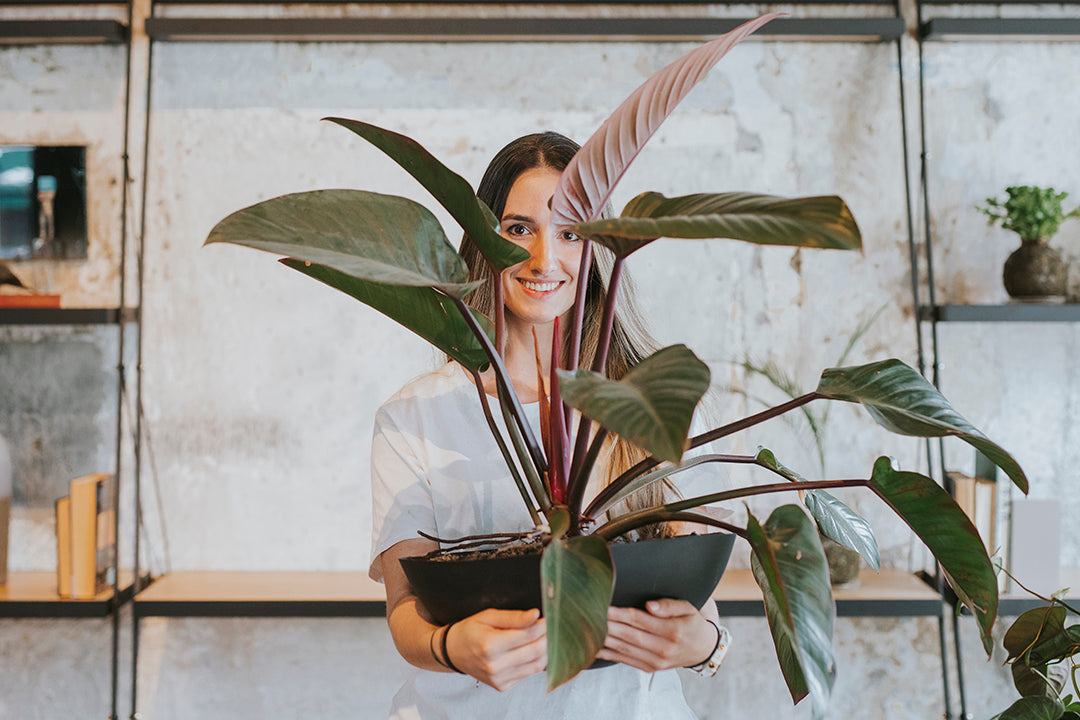
How to adopt a plant ethically
It is important to consider that plants are living beings before they are decorative elements. Specialists in plant care ethics would argue that this should be the case: the plant kingdom would benefit if we thought a little more about buying a plant, considering factors such as the environment it comes from and the care it needs.
Dr Elizabeth van Volkenburgh, a professor of plant biology at the University of Washington, says this simple shift in perspective could protect vulnerable ecosystems.
"The plant kingdom has even more organisms than the animal kingdom, so it's worth stopping and recognizing that we, as humans, are part of a larger collection of organisms on earth," she says.
If you're wondering how you can be a better plant caretaker and, along the way, an environmental advocate, here's what you need to know about plant ethics to become a garden foster parent.

Is having a plant like having a pet?
The first thing you should know: Plants aren't like decorative items, but they're not exactly like pets either. While plants do have their own nervous systems and can even sense pain (though not in the same way we can), that's not the main reason to think twice about bringing a plant home. Plant ethics has more to do with protecting the ecosystems a plant comes from.
Van Volkenburgh says that unlike animals, which function as individuals, plants generally operate as populations. That means that when you bring a plant home, you're affecting its entire environment. "Plant organisms are not as independent as animals; when you have a plant, it's part of something that's larger in nature," she says.
What plant should I have?
As long as the plants are ethically sourced, and the process doesn't endanger wild nature, it's okay to keep tropical plants at home. Why? Taking care of a beautiful plant might inspire people to take more interest in the plant kingdom as a whole! What these tropical plants do for humans is make them feel good, and also increase their respect or interest in plants. We live in the tropics, we have different options, so it depends on how much interest you have in your plant to be able to take care of it consciously.

Should I stop buying plants if mine keep dying?
What if my plants just aren't happy at home? Is it ethical to keep them around or continue buying them? It's not so black and white.
While the plant will definitely experience stress if you don't water it for two weeks, it's not like the plant is thirsty. The plants in the pots in your living room are relying on you to care for them so they can thrive, when plants don't thrive, it's a physiological response to the lack of resources they need.
While giving your plants the water, sunlight, and nutrition they need may end up with a dead plant, that is not an automatic death sentence that will make dreams of caring for a living thing go away. Caring for a plant, figuring out why leaves turn yellow or the optimal amount of sunlight, can be a good exercise in minimizing the risk of death for future plants.
A lot of people bring plants home because they want to take care of something, but that discipline only grows if you do it. If you have a plant for a week and then abandon what you were taking care of, maybe you shouldn't buy any more. It's more of a discipline for yourself.
How can I adopt a plant ethically?
The first step is a basic understanding of plant ecology and thinking before bringing one home, it is recommended to Google the species to find out if it is endangered or should not be removed from the wild.
If you're getting off to a slow start when it comes to plant care, don't be discouraged: the fact that you care about your plants is a very good sign. Plants only need water and light, so with a little observation you'll be doing the job better than you expected.