
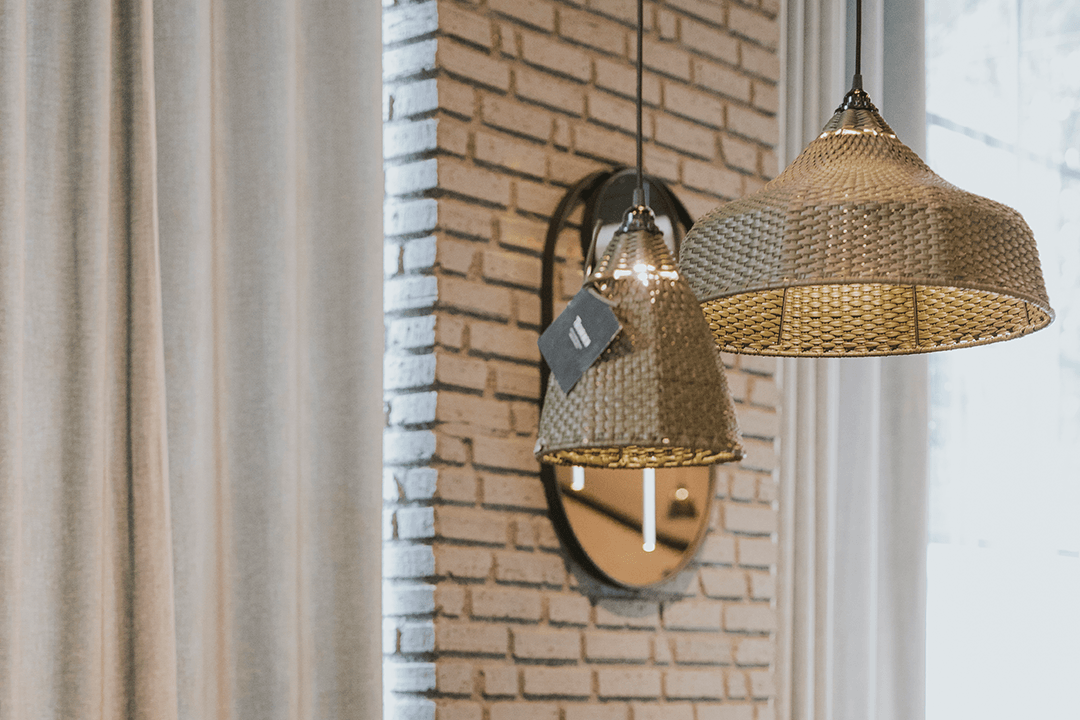
Light + Emotions
By: Paula A Serna · DEDÓS Studio
Architecture and interior design take on their maximum dimension when they involve lighting in their projects.
Correct lighting highlights materials, volumes, textures, nuances and their chromatic values. Planning the lighting of spaces means energy efficiency, productivity and quality of life.
But above all, light transports us and generates emotions.
Sometimes we don't understand how a simple place can change our mood and in a large percentage it is due to how the light behaves in that place. Lighting a space is not just about meeting adequate levels as dictated by so many global and local standards. It's simple... Lighting may be measured in numbers but it is felt in the heart. So for this we must analyze the activities, effects or scenes that we want to create at home.
Most decisions are made unconsciously by emotions.
We must understand and I hope to leave you with a message regarding light, light not only illuminates, light gives us information and tells us stories. Let us define light as a communication tool.
Emotions are what really drive our behaviors.
To achieve this, it is easy and we can do it in our homes, choosing luminaires that make it easier for us and give us versatility in each area. It is also important to identify some basic luminaires or basic effects that will help us create these scenes: Direct - indirect - semi-indirect light.
We will take a tour of some places in our home:
Hall

It is very important to consider general lighting here, it creates spaciousness in the space and is also important for daily household tasks, organizing, cleaning.
To create a warmer, more intimate atmosphere to receive our friends, we can use secondary or support lighting, a little dimmer, or use indirect lighting to create this effect.
We can also accentuate or highlight objects with semi-indirect lighting.
Dining room

The recommendation is to provide general lighting to enjoy each meal, be able to see it properly and create a welcoming space. It is also recommended that this lighting can be regulated, if possible, so we can go from a good dinner to some good drinks or a more intimate conversation.
In the dining room we also find possible furniture or niches with indirect lighting that help us create a more welcoming space.
In addition to all this, it is very important to take into account the color of the light and clearly the emotions it generates, and this is somewhat controversial and there are different opinions, warm light and white light create completely different sensations. This is so true that we can experience it day to day with our circadian cycle.
Rooms

It is also very important to consider general lighting in the space, it also creates spaciousness, it helps us to organize or also when we have to complete a task such as packing a suitcase or something similar.
It is also essential to have a courtesy light or a dim light on the bedside table that allows us to create a moment of relaxation, although it can also be a more direct and functional one so that we can read a book.
In conclusion, we can turn our spaces into pure emotions. Light is 100% heart, psychology and emotion. Lighting is communication and connection in each space. For this reason, we cannot illuminate all spaces, like a wine cellar or all spaces in the same way. Let the light tell us stories.